91

See our live dashboard
News › 2016

Message from NZAMT received from NZQA 13th October regarding the 2016 External Examinations for AS1.3, 1.6 and 1.12:

We have had notification from NZQA that they believe schools will find the Level 1 examination papers for November consistent with their expectations and recent previous assessment of the identified standards. Hence schools can confidently use recent past NZQA examinations (since the 2011 realignment of L1 standards) in preparing their students for the external examinations.

Posted by Derek Smith

Learn to Code for 91 Analysis

Future Learn are offering a new online course combining coding and data analysis skills.

“Software and data make the world go round.” Learn programming, to analyse and visualise open data, with this free onlinecourse that starts on the 10th of October.

Share this with students or colleagues that have one or both of these topics as an interest. The coding language is Python.

and sign up.

A webinar for you or your students, brought to you by the American Statistical Association.

Statisticians and data scientists are employed by all types of organizations, including professional sports teams. Join the AMA sports analytics webinar to learn what sports statisticians do and what education is required to become the “” of your favorite sport.

View the webinar details Remember to set your alarm!

Want to get a handle on BIG data? A course for scholarship students?

The Queensland University ofTechnology is offering a free online PD course. Get a practical insight into big data – and popular tools for collecting, analysing and visualising it.

Term 2 News

Kia ora Statistics teachers.

We hope you are enjoying teaching students to discover stories in data, and to practice their statistical literacy skills.

Skills in statistics will be invaluable now and in the future, check out ٳ .

Term 2 Updates:

  • Free online professional development courses: &;
  • :Student data for all standards by Robyn Headifen
  • TED resource: &;
  • video. (1.5 hours)

Nga Mihi

The 91 team


See how your students could soon be using statistics and models to predict the future.

There are examples of and what statisticians have done to help solve problems with data.


Some ideas to help students reach their statistics and statistical literacy learning goals:

Primary and Intermediate:

  • :Bring the real world into your classroom:Learning from people in industry to highlight when, where and why we need to learn this!
  • :Technology for graphing and interpreting data.Have you checked out the?
  • A lesson plan.
  • (McPhee & Makar, 2014)Professional Reading for numeracy teachers.

Secondary:

  • &;: Technology for secondary statistics teaching.
  • :on careers in statistics.
  • (Makar, K. & Rubin, A., 2009) Professional reading:
  • :Lillian Grace was the plenary speaker at both Canterbury and Auckland Statistics Teachers day. The Figure site allows everyonebe an explorer and user of data. If you or your students want data to answer a burning question this is the place to contact.
  • Have all your classes been involved? Experiencing the census at all levels of the curriculum is important for students to demonstrate that they are “managing variation” and are involved in every aspect of data collection and creation.
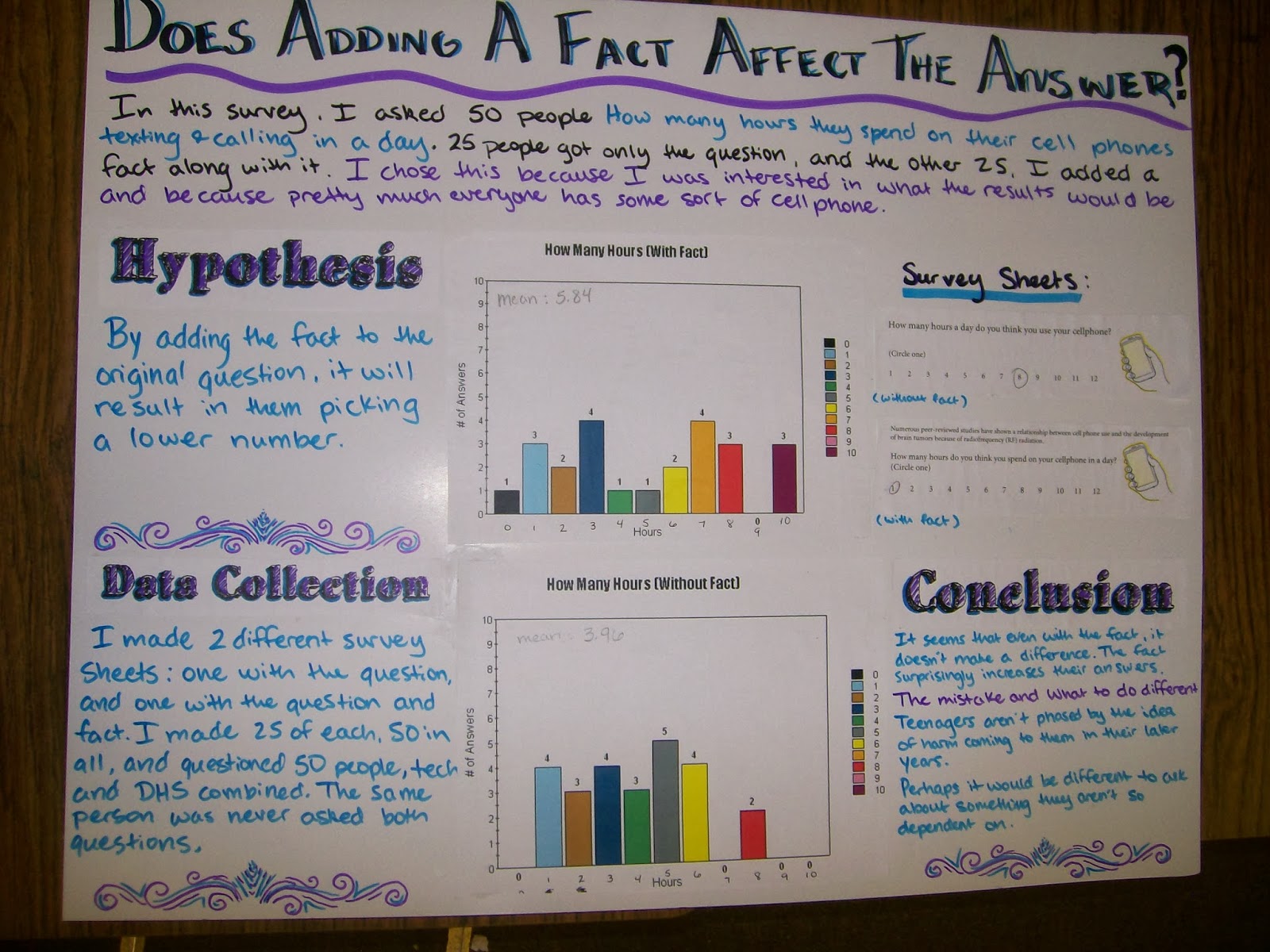
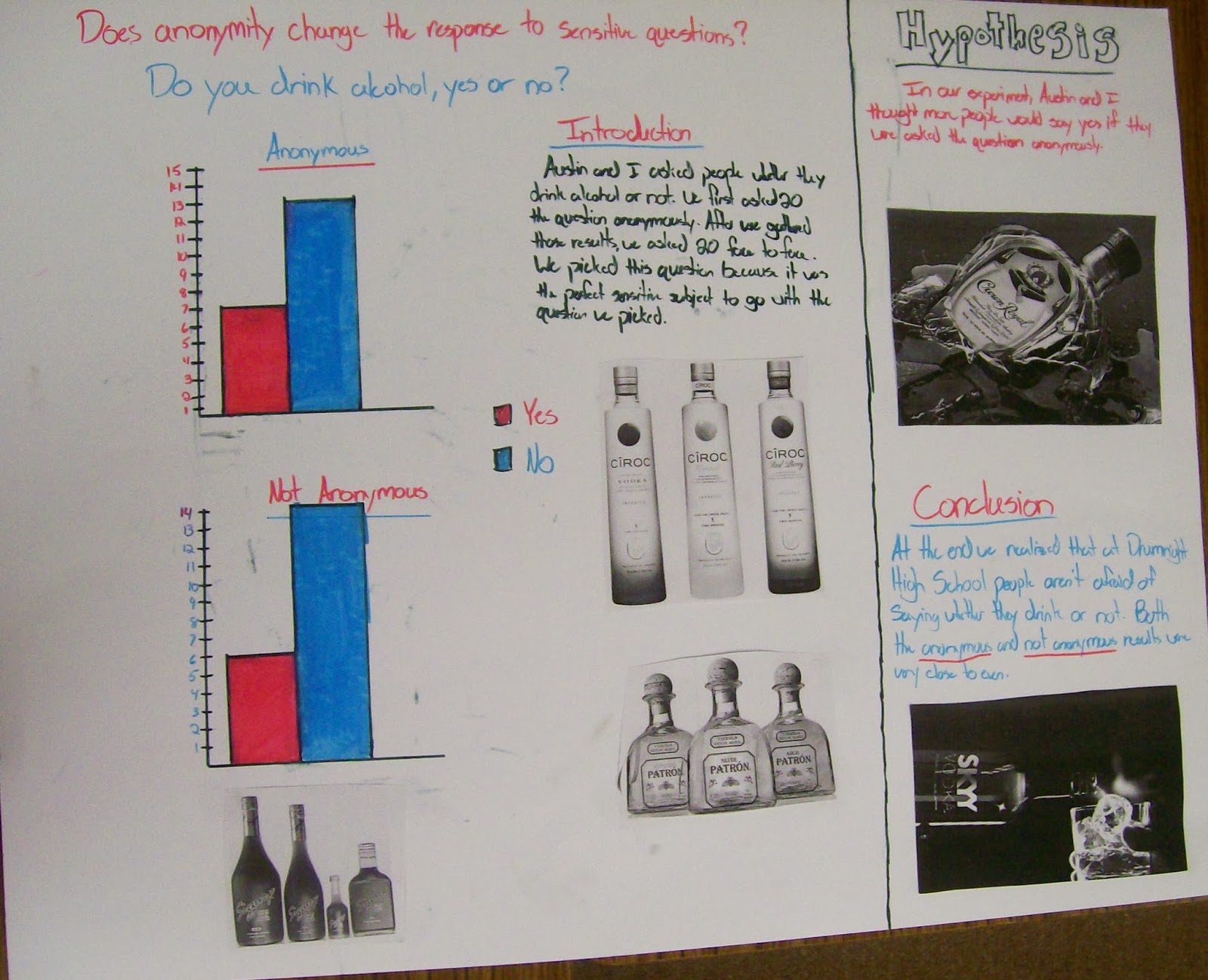
  • : What about running a poster competition for Statistics week?! Below are some examples from oversea’s, how can we improve on these?
  • live!Robyn Headifen has suggested following the cyclingso much much great data!

What other ideas do you have?

How are you linking with your colleagues in other subjects? How do they approach statistical literacy and use statistics in scientific (both social and the physical sciences) investigations?

Do you have an Investing in Educational Success project to share or would like to begin? Also let us know of any cool Stats Apps you’re using with your students.

Finally, a big thanks to teachers who are using the share resources function on CAS.

Nga mihi

The 91 Team

This first term newsletter is important reading for all secondary mathematics and statistics teachers.

Upcoming workshops for current PLD are advertised and useful links and tips are provided by Derek Smith and the national facilitation team.

Secondary Mathematics and Statistics Newsletter Term 1 2016

Derek has also sent through some other interesting links that didn’t make it into the newsletter:

Some reminders:

NZAMT14 Conference workshop resources


2015 Ernest Duncan Award Winner Ricky Pedersen has offered to make hisCritical Thinking Bookletavailable for download.


Interesting bits and pieces

Some research on happiness in schools for your interest. It would be interesting to ask your faculty members, and yourself, “What makes you happy during the school day or during a lesson?”


Some interesting data sets from a NZ long term study:


TED Talks links to videos


An ERO publication


Learning geometry via Origami


Why is learning fraction arithmetic so difficult? From STEM Learning


Learning maths through song and dance

Hope that yourathletics and Swimming sports day are progessing well while the country enjoys the settled weather we are enjoying.

Our hearts go out to the people in Canterbury as they wrestle with nature.

Näku i roto i ngä mihi, nä

Derek


Derek Smith|Mathematics National Co-ordinator/Central South Facilitator (Secondary)|Education Support Services|

Te Tapuae o Rehua Consortium|University of Otago College of Education|021 913 150|

Welcome back!

We hope you all had a great summer holiday and are looking forward to teaching lots of innovative, well-designed statistics lessons this year.

To help you out we start the year off with a great new data card resourceforinteractive and effective statistics lessons created by Anna Martin, and some helpful tips on describing Time series trends prepared by the Mathematics and Statistics Facilitators and the NZSA Education Committee.

Returning students may ask you to review their 2015 external exam scripts. Derek Smith has provided links to the , l and . Please use this information to inform students ifthey should proceed with the reconsideration process.Please use your professional judgement with the questiontotals and overall total (Grade Score marking used) in the November Externals,which is not the same as that used for the assessment of thee-Mcat/MCAT.The assessment conditions for the 2016 externals are also now available on the NZQA website. , , .

As you and your colleagues review and reflect on the 2015 year, we hope 91 delivered useful content and information. 91 aims to provide the most up to date, statistics teaching resources and information, in the news, by NZSA or other Statistical forums or on the internet. If you want a “heads up” on what to read, watch or do this year the best place to start is right here on 91.

If you ever think that our heads haven’t been up high enough and we seem to have missed something that’s coming soon, please let us know:censusatschoolnz@gmail.com

Please forward this email to any new colleagues who may not receive our weekly emails, these can help keep your colleagues up-to-date with the resources and information on 91.

Nga mihi

Rachel, Chris and Anne

maxine-pfannkuch

Congratulations to Associate Professor Maxine Pfannkuch of the University of Auckland for receiving a lifetime achievement award from the NZSA. Maxine has written many wonderful resources here for 91.

If you studied statistics at secondary school in the last quarter of a century, your learning was influenced by Maxine Pfannkuch of the Department of Statistics. Associate Professor Pfannkuch studies how people, mostly school students, draw statistical conclusions from data and from graphics, and looks for ways to teach them to do it better. Her work has led to many improvements to high-school statistics curricula here and overseas.

And Associate Professor Pfannkuch’s contribution has been recognised with a lifetime achievement award from the 68-year-old New Zealand Statistical Association (NZSA). The Campbell Award commemorates Professor James Towers Campbell (1906-1994), who was the first president of the NZSA. The award requires an “exceptional” publication record, and “prolonged and outstanding” contribution to statistical education as well as involvement in “major, innovative research projects that have direct relevance to New Zealand”.